Entry
A direction is chosen.
You know what you want to accomplish. The plan, resources, and commitments needed to pursue it still have to take shape.
The work that moves you toward a goal changes as you go. Seasons helps you recognize what matters now, set a useful pace, and prepare what comes next. Used together, it also gives people a shared understanding of what progress should look like.
Spring leaves summer a commitment that can support action.
Unequal seasons; no prescribed duration. · AI-generated artwork
Spring
The leadership move
Give the chosen goal a workable structure: an approach, clear responsibilities, available resources, and commitments people understand and accept. Settle the essential disagreements and clarify what people can decide for themselves. Once the agreement is made, help people begin.
You give a possibility enough structure to become real. Listening, settling difficult questions, and committing resources are part of planting well: they create a basis for trust and confident action.
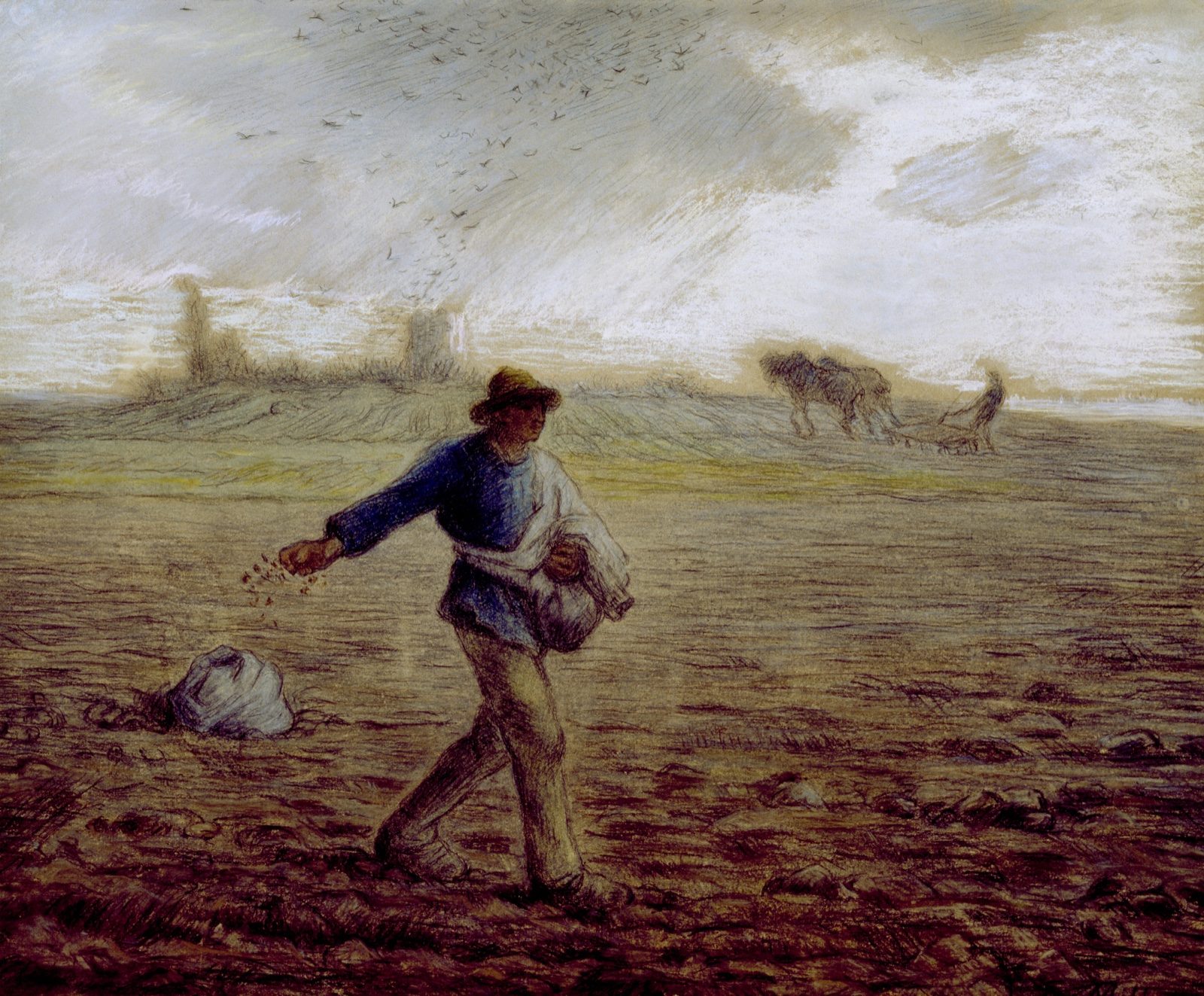
The Sower ca. 1865
Jean-François Millet
Entry
You know what you want to accomplish. The plan, resources, and commitments needed to pursue it still have to take shape.
Success
Responsibilities, resources, decision rights, and evidence of progress become clear enough to support action. The people involved understand the commitment and can carry it out; enthusiasm has become practical readiness.
Exit → Summer
The final agreement is genuinely committed to. Accelerate: action can begin without routinely reopening its foundations. The remaining details can be worked out in motion.
The season’s working artifact
Give the structure a shared, usable form: what we are undertaking, how we will work, and what each person is committing to.
The artifact makes the commitment, learning, or judgment usable by others. Its strength shows in what people can decide and do with it.
Could those responsible begin useful work tomorrow, knowing what they own, what they can decide, and which resources are actually available?
Give preparation and choosing the time they need. Stay with productive work while it is fruitful, and make its benefits count.
Ask what needs to become possible, then choose the practices that will help. Structure, focus, storytelling, and clarity each serve an accomplishment. Use these questions to make effort, expectations, and pace a shared agreement.
If you lead the group, prepare the next season while helping people succeed in this one. Make the reason for a change of pace clear enough that people can adjust with you—and help one another.
Priority, not permission.Planning can continue in summer; delivery can continue in winter. A season names the prevailing work for a particular undertaking. Different goals can occupy different seasons.
Signals, not a timetable.Seasons can overlap. Completion, changed circumstances, or new evidence can bring a turn or reopen earlier work. Mood is a clue to investigate, not a diagnosis.
Orientation still needs judgment.This guide can help you direct attention and coordinate effort; it cannot choose a worthy goal, resolve every conflict, or guarantee success.
Inspired in part by Jim Rohn’s reflections on the seasons of life and business.